
Best Brain Hemorrhage Treatment in Jaipur – Advanced Neurosurgical Care
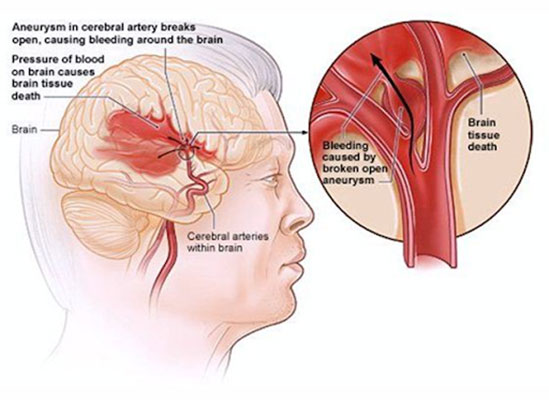
A brain hemorrhage is a serious medical condition that occurs when a blood vessel in the brain ruptures and causes bleeding inside or around brain tissue. This condition can lead to pressure on brain cells and may result in life-threatening complications if not treated quickly. If you are looking for Brain Hemorrhage Treatment in Jaipur, expert neurosurgical care is available under the supervision of Dr. Sandeep Bhardwaj.
Early diagnosis and timely treatment play a crucial role in improving recovery outcomes for patients suffering from brain hemorrhage. With modern diagnostic tools, advanced neurosurgical techniques, and specialized neurological care, patients can receive effective treatment and proper recovery support.
What is a Brain Hemorrhage?
A brain hemorrhage refers to bleeding in or around the brain caused by a ruptured blood vessel. It is a type of stroke known as a hemorrhagic stroke. When bleeding occurs, it disrupts the normal flow of blood and oxygen to the brain, which may damage surrounding brain cells.
Brain hemorrhage can occur due to high blood pressure, trauma, aneurysm rupture, or blood vessel abnormalities. Immediate medical attention is necessary to prevent severe neurological complications.
Common Symptoms of Brain Hemorrhage
The symptoms of brain hemorrhage usually appear suddenly and may worsen rapidly. Some common warning signs include:
- Sudden severe headache
- Weakness or numbness on one side of the body
- Difficulty speaking or understanding speech
- Vision problems or double vision
- Loss of balance or coordination
- Confusion or loss of consciousness
- Nausea and vomiting
- Seizures
If any of these symptoms appear, immediate medical evaluation is essential to prevent serious complications.
Causes of Brain Hemorrhage
Several medical conditions and risk factors can lead to brain bleeding. Some of the most common causes include:
- High blood pressure (Hypertension)
- Head injury or trauma
- Brain aneurysm rupture
- Arteriovenous malformations (AVMs)
- Blood clotting disorders
- Blood thinning medications
- Brain tumors
Types of Brain Hemorrhage
Brain hemorrhage can occur in different parts of the brain, and each type may require a different treatment approach.
1. Intracerebral Hemorrhage
Bleeding occurs directly inside the brain tissue.
2. Subarachnoid Hemorrhage
Bleeding occurs in the space between the brain and surrounding membranes.
3. Subdural Hemorrhage
Blood collects between the brain and the dura mater, usually caused by trauma.
4. Epidural Hemorrhage
Bleeding occurs between the skull and the outer protective layer of the brain.
Diagnosis of Brain Hemorrhage
Proper diagnosis helps doctors determine the location and severity of bleeding. Advanced imaging and neurological evaluation are essential for accurate diagnosis.
- CT Scan (Computed Tomography)
- MRI Brain Scan
- Cerebral Angiography
- Blood Tests
- Neurological Examination
Brain Hemorrhage Treatment in Jaipur
Treatment for brain hemorrhage depends on the severity, location of bleeding, and the patient’s overall health condition. The main goal of treatment is to stop bleeding, reduce pressure on the brain, and prevent further complications.
Emergency Medical Care
Immediate stabilization of blood pressure and brain pressure is required to protect brain tissue.
Medications
Medications may be used to control blood pressure, reduce brain swelling, and prevent seizures.
Minimally Invasive Procedures
Advanced minimally invasive techniques may be used to remove blood accumulation and relieve pressure on the brain.
Brain Surgery
In severe cases, neurosurgical procedures may be required to repair damaged blood vessels or remove blood clots.
Rehabilitation Therapy
After treatment, rehabilitation therapies such as physiotherapy, speech therapy, and neurological rehabilitation help patients regain normal functions.
Importance of Early Treatment
Brain hemorrhage is a medical emergency. Early diagnosis and treatment significantly improve survival rates and reduce the risk of permanent brain damage.
- Reduces brain swelling
- Prevents further bleeding
- Improves neurological recovery
- Restores brain function
Why Choose Dr. Sandeep Bhardwaj for Brain Hemorrhage Treatment?
Choosing an experienced neurosurgeon is crucial for effective treatment. Dr. Sandeep Bhardwaj provides comprehensive care for patients suffering from neurological conditions using modern medical technology and patient-focused treatment approaches.
- Expertise in advanced neurosurgery
- Accurate diagnosis with modern imaging
- Personalized treatment planning
- Focus on patient safety and recovery
Brain Hemorrhage Recovery and Rehabilitation
Recovery after brain hemorrhage depends on the severity of the condition and the speed of treatment. Some patients recover quickly, while others may require rehabilitation support.
- Physiotherapy for movement recovery
- Speech therapy for communication improvement
- Cognitive therapy for memory and thinking skills
- Lifestyle changes to prevent recurrence
Frequently Asked Questions
What is the survival rate of brain hemorrhage?
The survival rate depends on the severity of bleeding, location in the brain, and how quickly treatment is provided.
Can brain hemorrhage be treated?
Yes, many cases can be successfully treated with timely medical care and appropriate neurosurgical treatment.
How long does recovery take after brain hemorrhage?
Recovery time varies depending on the severity of the condition and the patient’s overall health.
What are the main causes of brain hemorrhage?
High blood pressure, trauma, aneurysm rupture, and vascular abnormalities are common causes.
Is brain hemorrhage a type of stroke?
Yes, brain hemorrhage is classified as a hemorrhagic stroke caused by bleeding in the brain.