
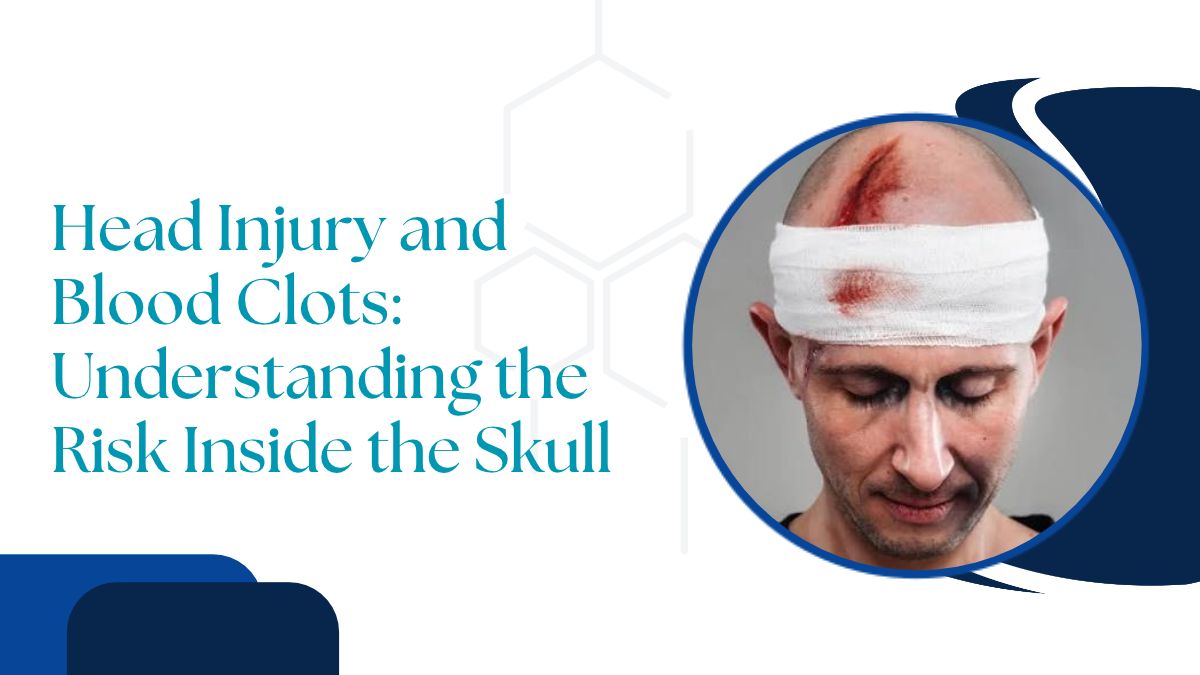
A head injury can range from a minor bump to a serious trauma that affects the brain and surrounding blood vessels. One of the important complications following head trauma is bleeding inside the skull, which may lead to the formation of a blood collection or clot. Depending on its location and size, this can put pressure on the brain and require urgent medical attention.
Understanding the connection between head injuries and blood clots can help patients and families recognize warning signs, understand diagnostic procedures, and learn why timely medical assessment matters. Although not every head injury causes internal bleeding, serious complications can sometimes develop even when the external injury appears minor.
What Happens Inside the Skull After a Head Injury?
The skull provides a protective covering for the brain, but a sudden impact can cause the brain to move within the skull or damage nearby blood vessels. This may happen during road accidents, falls, sports injuries, or physical trauma.
When a blood vessel is damaged, blood can collect in or around the brain. This is known as an intracranial haemorrhage or haematoma, depending on the type and location of the bleeding.
The skull has limited space to accommodate additional blood or swelling. As blood accumulates, pressure inside the skull may increase, potentially affecting normal brain function. The seriousness of the injury depends on several factors, including the amount of bleeding, its location, the force of impact, and the patient's overall health.
It is important to understand that a blood collection after head trauma is not always the same as a blood clot in a vein elsewhere in the body. After an injury, a clot may form as part of the body's normal response to bleeding, but the resulting collection of blood can still compress brain tissue.
Types of Blood Collections Associated With Head Injuries
1. Epidural Haematoma
An epidural haematoma occurs when blood collects between the skull and the outer covering of the brain, called the dura mater. It may develop after a head injury that damages a blood vessel.
Some patients may initially remain conscious and then deteriorate as bleeding continues. However, symptoms do not always follow this pattern. An epidural haematoma can become life-threatening and requires urgent assessment.
2. Subdural Haematoma
A subdural haematoma develops when blood collects between the dura mater and the brain's surface covering. It often involves damage to veins and may occur after a fall, road accident, or other head trauma.
Symptoms can appear quickly or develop gradually over hours, days, or sometimes longer. Older adults and people taking blood-thinning medicines may be at increased risk, including after relatively minor trauma.
3. Intracerebral Haemorrhage
An intracerebral haemorrhage involves bleeding directly into brain tissue. Head trauma can damage blood vessels within the brain, resulting in bleeding, swelling, and possible neurological problems.
The effects depend on the affected brain region and the amount of bleeding. This type of injury may require close monitoring, specialist care, and, in selected cases, surgical intervention.
Warning Signs of a Blood Clot After a Head Injury
Symptoms can vary depending on the type and severity of the injury. Some signs appear immediately, while others may develop as bleeding or swelling progresses.
Important warning signs include:
- A persistent or worsening headache.
- Repeated vomiting or nausea.
- Confusion, unusual behaviour, or difficulty concentrating.
- Increasing drowsiness or difficulty staying awake.
- Weakness or numbness affecting one side of the body.
- Slurred speech or difficulty understanding others.
- Seizures or loss of consciousness.
- Problems with balance, coordination, or vision.
Seek emergency medical attention immediately if any of these symptoms develop after a head injury, particularly if they are new or worsening. Do not wait for symptoms to disappear on their own.
For people seeking Head injury treatment in Jaipur, prompt assessment by an appropriate medical team can help identify serious complications and determine whether emergency treatment is necessary.
Why Can Symptoms Develop Hours or Days Later?
One of the challenges associated with head trauma is that a person may initially feel relatively normal. However, certain blood vessel injuries can cause bleeding that develops or becomes more noticeable over time.
A small initial bleed may enlarge, or surrounding brain tissue may develop swelling. As pressure increases, symptoms such as headache, confusion, weakness, or drowsiness may emerge.
Delayed symptoms are particularly concerning in older adults and people taking anticoagulants or other medicines that affect blood clotting. These individuals may need specific medical advice after a head injury, even if the impact seemed minor.
Anyone who has sustained a significant head injury should follow the medical team's instructions about observation and follow-up. A person should not be left without appropriate supervision when medical professionals have advised monitoring.
How Are Blood Clots and Bleeding Diagnosed After Head Trauma?
Doctors begin by assessing how the injury occurred and checking the patient's level of consciousness, symptoms, and neurological function. They may examine pupil reactions, muscle strength, sensation, speech, and coordination.
CT Scan
A CT scan of the head is commonly used when a serious traumatic brain injury or internal bleeding is suspected. It can help identify areas of bleeding, skull fractures, and other changes that require urgent treatment.
MRI Scan
An MRI may be recommended in selected situations when more detailed information about brain tissue or certain injuries is needed. It is not always the first imaging test in an emergency.
Blood Tests and Medication Review
Blood tests may help doctors assess clotting function and identify factors that could affect treatment. The medical team will also review medications, especially blood thinners, and consider other health conditions.
Not every person with a minor head injury needs a scan. The decision depends on symptoms, examination findings, age, medical history, and established clinical criteria.
Treatment Options for Blood Clots Inside the Skull
Treatment depends on the type, size, and location of the blood collection, the patient's neurological condition, and whether the bleeding is continuing.
1. Observation and Medical Monitoring
Some smaller injuries may be managed with close observation, repeat neurological examinations, and additional imaging when appropriate. This approach is suitable only when the treating team determines that monitoring is safe.
Patients should follow all instructions regarding rest, medication, and follow-up appointments.
2. Medication and Supportive Care
Treatment may include measures to manage pain, control seizures when indicated, and support essential body functions. If a patient is taking blood-thinning medication, the medical team may need to consider measures to reverse its effects, depending on the circumstances.
Medication should never be stopped or changed without medical advice.
3. Neurosurgical Treatment
A large haematoma, significant pressure on the brain, neurological deterioration, or other serious findings may require surgery. Depending on the injury, a neurosurgeon may perform a procedure to remove accumulated blood and reduce pressure inside the skull.
Not every blood collection requires surgery. The decision must be based on clinical findings and imaging, with emergency intervention when necessary.
A specialist providing Brain injury treatment Jaipur can help assess the nature of the injury and explain appropriate treatment options. In emergencies, however, patients should go directly to an emergency department rather than delaying care to arrange a routine consultation.
Who Has a Higher Risk of Complications?
Although anyone can experience a serious head injury, some factors increase the likelihood of complications:
- Older age: Age-related changes can make certain blood vessels more vulnerable to injury.
- Blood-thinning medicines: Anticoagulants and some antiplatelet medicines may increase bleeding risk.
- Previous bleeding or clotting disorders: These conditions can influence how the body responds to trauma.
- High-impact accidents: Road collisions and falls from height can cause substantial damage.
- Repeated head injuries: Additional trauma before recovery may create further risks.
People with these risk factors should seek individual medical advice after a head injury. The appropriate response depends on the circumstances and symptoms.
How Can Head Injuries Be Prevented?
Although accidents cannot always be avoided, practical safety measures can reduce the risk of head trauma.
- Wear a properly fitted helmet when riding a two-wheeler or participating in appropriate sports.
- Use seat belts and follow road safety rules.
- Reduce fall hazards at home, particularly for older adults.
- Use suitable protective equipment during contact sports and high-risk activities.
- Follow medical guidance before returning to sports after a concussion or significant head injury.
After an injury, follow the recommended recovery plan and avoid activities that could expose the head to another impact until medically cleared.
When Should You Consult a Neurosurgeon?
A neurosurgical assessment may be needed when imaging reveals a significant blood collection, symptoms suggest pressure on the brain, or neurological function is deteriorating.
When choosing the Best neurosurgeon in Jaipur, patients and families should consider relevant qualifications, experience with traumatic brain injuries, hospital facilities, and the ability to explain treatment decisions clearly. In urgent cases, the priority is immediate emergency evaluation and access to appropriate specialist care.
Frequently Asked Questions
1. Can a blood clot form after a head injury?
Yes. Head trauma can damage blood vessels and cause bleeding that collects inside the skull. The resulting blood collection is often described as a haematoma and may require monitoring or treatment.
2. Can internal bleeding occur without a visible head wound?
Yes. A person can have internal bleeding or a serious brain injury without an obvious cut, bruise, or other external sign.
3. How long after a head injury can symptoms appear?
Symptoms may occur immediately or develop over hours, days, or longer, depending on the injury. New or worsening symptoms require urgent medical assessment.
4. Does every blood clot inside the skull require surgery?
No. Some cases can be managed with careful observation, while others require surgical treatment. The decision depends on the blood collection, neurological findings, and the patient's condition.
5. Is a CT scan necessary after every head injury?
No. Doctors decide whether imaging is needed based on the injury, symptoms, examination findings, and risk factors.
Conclusion
Blood collections inside the skull are potentially serious complications of head injuries because they can place pressure on the brain and affect essential neurological functions. Recognising warning signs, understanding individual risk factors, and receiving timely medical assessment can make an important difference in care.
Not every head injury causes internal bleeding, and not every haematoma requires surgery. However, worsening headache, repeated vomiting, confusion, seizures, weakness, or loss of consciousness should never be ignored. Prompt emergency evaluation and an appropriate treatment plan are essential for managing serious head trauma safely
