
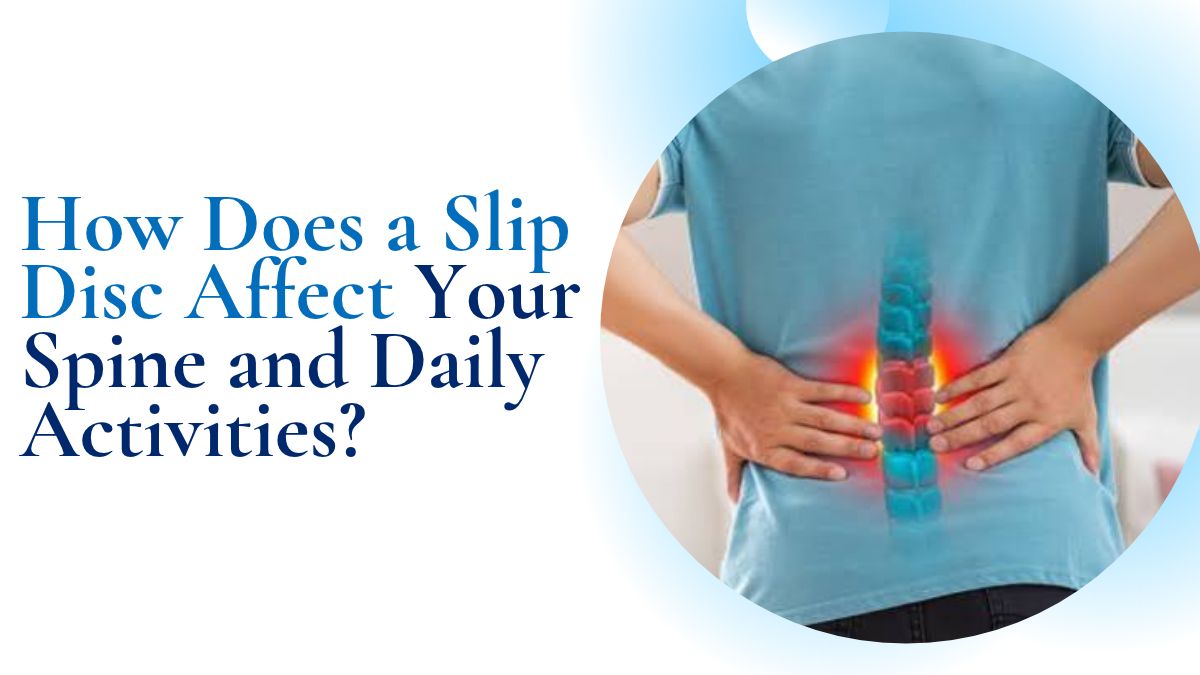
The spine plays an essential role in supporting the body, maintaining posture, and allowing everyday movements such as walking, sitting, bending, and lifting objects. When the spinal discs become damaged or displaced, these activities can become uncomfortable. A slip disc is a common spinal condition that may cause back pain, neck pain, numbness, tingling, and muscle weakness, depending on the location and severity of the problem.
People experiencing persistent back pain often look for Slip disc treatment in Jaipur to understand the cause of their discomfort and explore suitable treatment options. Early medical assessment can help identify whether the symptoms are related to a herniated disc, muscle strain, nerve compression, or another spinal condition. Understanding how a slip disc affects the spine and daily activities can help individuals make informed decisions about their health.
What Is a Slip Disc?
The spine consists of small bones called vertebrae, separated by soft, flexible structures known as intervertebral discs. These discs act as cushions, absorb pressure, and help the spine move comfortably.
A slip disc, medically known as a herniated or prolapsed disc, occurs when the soft inner material of a spinal disc pushes through a weakened or damaged outer layer. The displaced material may irritate or compress nearby nerves, resulting in pain and other symptoms.
A slip disc can develop in different areas of the spine:
- Cervical spine: Located in the neck, where a herniated disc may cause neck pain and discomfort extending into the shoulders, arms, or hands.
- Thoracic spine: Located in the middle back. Disc herniation in this region is less common.
- Lumbar spine: Located in the lower back. Affected discs may cause lower back pain, leg pain, or sciatica.
How Does a Slip Disc Affect Your Spine?
The effects of a slip disc depend on the affected spinal region, the amount of disc material displaced, and whether nearby nerves are irritated or compressed.
1. Back and Neck Pain
Back or neck pain is one of the common symptoms associated with a slip disc. The discomfort may increase when bending forward, twisting, coughing, sneezing, or remaining in one position for an extended period.
Some people experience mild discomfort, while others develop persistent pain that interferes with work, sleep, and routine activities. The severity of pain does not always correspond to the size of the disc herniation, making a proper clinical assessment important.
2. Nerve Compression and Sciatica
A herniated disc may press against a spinal nerve and produce symptoms beyond the affected area. When nerves in the lower back are involved, a person may develop sciatica, which causes pain that travels from the lower back or buttock into one leg.
Other symptoms can include tingling, burning sensations, numbness, or weakness. Cervical disc problems may produce similar symptoms in the shoulders, arms, and fingers.
Progressive weakness or new problems with bladder or bowel control require urgent medical attention.
3. Reduced Flexibility and Mobility
A slip disc may make bending, turning the neck, standing for long periods, or getting out of bed difficult. Pain and muscle tightness can restrict the normal range of movement.
When movement becomes uncomfortable, individuals may avoid physical activity. However, prolonged inactivity can contribute to muscle weakness and reduced fitness. Appropriate movement and guided rehabilitation may help maintain mobility during recovery.
4. Changes in Posture
People with spinal pain sometimes change their posture unconsciously to reduce discomfort. They may lean to one side, walk differently, or avoid straightening their back completely.
These adjustments can place additional strain on surrounding muscles. Maintaining a comfortable posture, changing positions regularly, and following professional advice may help reduce unnecessary strain without forcing painful movements.
How Does a Slip Disc Affect Daily Activities?
A slip disc can affect several parts of everyday life. The impact varies according to symptom severity, physical fitness, and the type of activities a person performs.
1. Sitting for Long Hours
Office workers, students, drivers, and people who use computers for extended periods may experience increased discomfort when sitting continuously.
Remaining in one position for too long can aggravate symptoms in some individuals. Adjusting chair height, supporting the lower back comfortably, and taking regular movement breaks may help improve comfort.
Rather than maintaining one supposedly perfect posture all day, it is often helpful to change positions regularly and avoid prolonged periods of immobility.
2. Walking and Standing
A slip disc affecting the lower back may cause discomfort while walking or standing. If a spinal nerve is irritated, the pain may extend into the buttock or leg.
Some people can manage short walks but experience increased symptoms after longer distances. Gentle activity may help maintain mobility, provided it does not significantly worsen symptoms. People experiencing severe pain or weakness should seek medical guidance before increasing their activity.
3. Bending and Lifting Objects
Picking up groceries, lifting children, moving furniture, or bending to tie shoelaces can become difficult when spinal pain is present.
During a painful episode, avoid heavy lifting and sudden twisting movements. When lifting is appropriate, keeping the object close to the body and moving in a controlled manner can help reduce unnecessary strain on the back.
4. Sleep and Rest
Back or neck discomfort can make it difficult to find a comfortable sleeping position. Some people wake up because of pain or experience stiffness when getting out of bed.
Using a comfortable mattress, choosing a supported sleeping position, and following medical advice may help improve rest. Persistent night pain, especially when accompanied by fever, unexplained weight loss, or other concerning symptoms, should be evaluated by a healthcare professional.
5. Work and Productivity
Pain, reduced mobility, and poor sleep can affect concentration and productivity. Physically demanding jobs may become difficult, while desk-based workers may struggle with prolonged sitting.
Depending on the condition, temporary work adjustments, scheduled breaks, and a gradual return to normal activities may help people remain active while recovering.
6. Exercise and Household Activities
Running, weightlifting, gardening, cleaning, and playing sports may become uncomfortable during a slip disc episode. However, having a slip disc does not automatically mean that a person must permanently avoid exercise.
A qualified physiotherapist or doctor can recommend suitable exercises based on symptoms and physical ability. Activities that increase radiating pain, numbness, or weakness should be stopped until appropriate medical advice is obtained.
What Causes a Slip Disc?
Several factors may contribute to disc herniation, including:
- Age-related changes: Spinal discs can lose water content and flexibility over time, making them more vulnerable to damage.
- Incorrect lifting techniques: Repeated heavy lifting, particularly when combined with twisting, may increase stress on the spine.
- Excess body weight: Additional mechanical loading may increase stress on the lower back.
- Repetitive movements: Certain occupational and sporting activities may place repeated demands on the spine.
- Sudden injury: A fall, accident, or other injury may contribute to disc damage.
- Smoking: Smoking is associated with poorer disc health and may contribute to degeneration.
How Is a Slip Disc Diagnosed?
Diagnosis generally begins with a medical history and physical examination. The doctor may ask about the location of the pain, how long it has been present, which activities worsen it, and whether numbness or weakness is occurring.
The examination may include checking muscle strength, sensation, reflexes, walking ability, and specific movements.
An MRI may be recommended when symptoms are severe or persistent, neurological problems are present, or imaging results could change the treatment plan. X-rays can help assess bones and spinal alignment but do not directly show a herniated disc.
Imaging results should always be interpreted alongside symptoms and examination findings because disc abnormalities can also occur in people who do not experience pain.
What Are the Treatment Options for a Slip Disc?
Treatment depends on the location of the affected disc, symptom severity, and whether nerve function is affected. Many people improve without surgery.
1. Non-Surgical Treatment
Non-surgical management may include:
- Appropriate pain-relieving medication recommended by a qualified clinician.
- Physiotherapy to improve mobility, strength, and movement control.
- Gradual return to normal activities as symptoms allow.
- Temporary modification of activities that aggravate pain.
- Guidance on posture, lifting techniques, and suitable home exercises.
Prolonged bed rest is generally discouraged. Gentle movement within comfortable limits is often preferable to complete inactivity. The treatment plan should be adjusted according to the person’s symptoms and progress.
2. Slip Disc Surgery
Slip disc surgery may be considered when symptoms remain disabling despite appropriate non-surgical treatment or when significant nerve compression causes progressive neurological problems. The decision depends on the patient’s examination, imaging findings, general health, and functional limitations.
One commonly performed procedure is a discectomy, which involves removing the portion of disc material pressing on a nerve. Some patients may be suitable for minimally invasive procedures, depending on the location and nature of the disc herniation.
Surgery is not necessary for every slip disc. A specialist should explain the potential benefits, risks, alternatives, and recovery expectations before a decision is made. Emergency symptoms associated with serious nerve compression require immediate assessment rather than routine treatment planning.
How Can You Reduce the Risk of Further Spinal Problems?
Although every case of disc herniation cannot be prevented, certain habits may support spinal health and reduce unnecessary strain.
- Take regular movement breaks if you sit for long periods.
- Maintain regular physical activity suited to your abilities.
- Strengthen the muscles supporting the spine under appropriate guidance.
- Use controlled lifting techniques and avoid sudden twisting while carrying heavy objects.
- Maintain a healthy body weight where appropriate.
- Avoid smoking and seek advice if spinal pain repeatedly interferes with daily activities.
- Follow the treatment and rehabilitation plan recommended by your healthcare professional.
These measures can support general spinal function, but they should not replace medical assessment when symptoms persist or worsen.
When Should You Consult a Specialist?
Consult a healthcare professional if back or neck pain persists, repeatedly returns, interferes with daily activities, or is accompanied by numbness, tingling, or weakness.
People considering Slip disc surgery should receive an individual assessment to determine whether an operation is appropriate or whether non-surgical treatment remains a reasonable option.
For individuals seeking specialist evaluation, a Best neurosurgeon in Jaipur can assess possible nerve compression, review relevant imaging, and explain the available treatment approaches. The choice of specialist should be based on qualifications, experience, the nature of the spinal condition, and a clear explanation of treatment options.
Seek emergency medical attention immediately if you experience new difficulty passing urine, loss of bladder or bowel control, numbness around the groin or inner thighs, or rapidly worsening weakness in the legs. These symptoms may indicate serious nerve compression and must not be ignored.
Frequently Asked Questions
1. Can a slip disc affect walking?
Yes. A slip disc may cause back pain, leg pain, numbness, or muscle weakness that makes walking uncomfortable. Severe or rapidly worsening weakness requires urgent medical assessment.
2. Can a slip disc heal without surgery?
Many people improve with non-surgical treatment, including suitable medication, physiotherapy, and gradual activity. Recovery depends on the severity of the condition and whether nerve compression is present.
3. How long does recovery from a slip disc take?
Recovery varies from person to person. Some individuals improve within a few weeks, while others require several months of treatment and rehabilitation. Persistent or worsening symptoms should be reviewed by a healthcare professional.
4. Is walking good for a slip disc?
Gentle walking may help maintain mobility when tolerated. Start with short distances and increase gradually according to comfort. Stop and seek medical advice if walking significantly worsens symptoms or causes new weakness.
5. When is surgery recommended for a slip disc?
Surgery may be considered when significant symptoms continue despite appropriate treatment or when nerve compression causes progressive weakness or other serious neurological problems. Emergency symptoms require immediate evaluation.
Conclusion
A slip disc can affect much more than the spine itself. Pain, restricted movement, nerve irritation, and muscle weakness may interfere with sitting, walking, sleeping, working, and completing household activities. Fortunately, many people improve with appropriate treatment and gradual rehabilitation.
Recognizing symptoms early, receiving an accurate diagnosis, and following an individualized treatment plan can support recovery. If pain persists or neurological symptoms develop, consult a qualified healthcare professional to understand the available options and determine the safest next steps. A timely specialist assessment can help clarify whether conservative care, rehabilitation, or further intervention is appropriate.
