
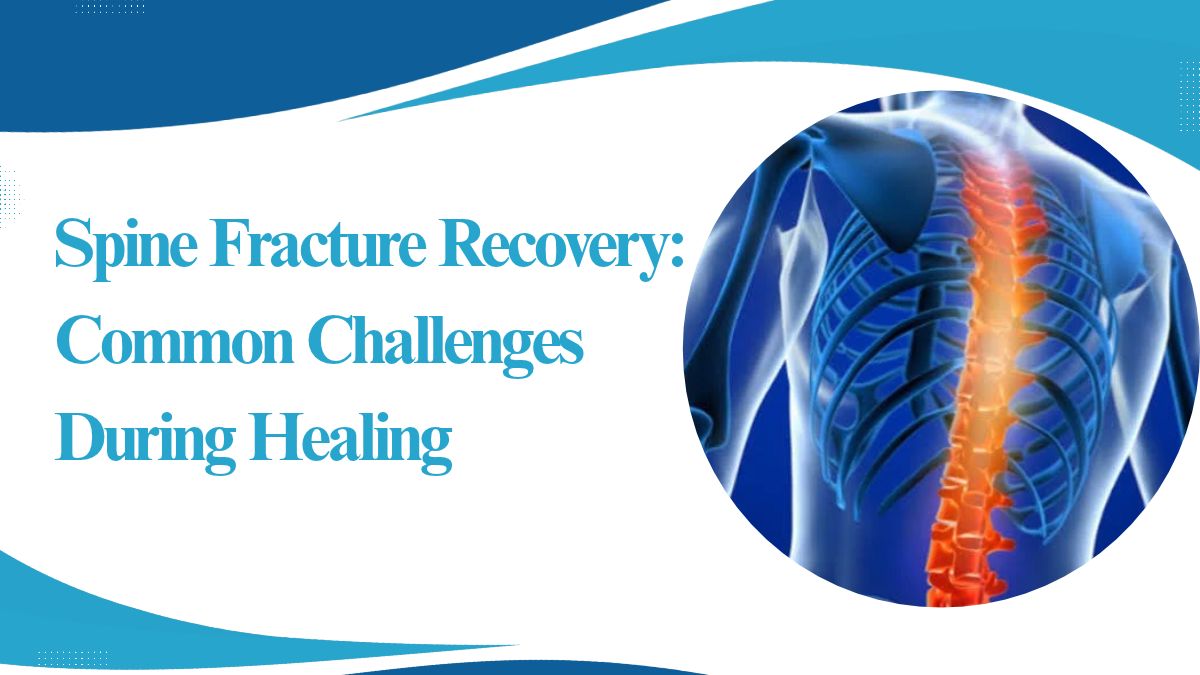
Recovering from a spine fracture can be physically and emotionally challenging. The spine supports the body's weight, helps maintain posture, and protects the spinal cord and nerves. When one or more vertebrae sustain a fracture, everyday activities such as sitting, standing, walking, and sleeping may become difficult. Recovery depends on the type of fracture, its severity, the patient's overall health, and whether nerves or the spinal cord have been affected.
Some spine fractures heal with appropriate support, activity modification, and medical supervision, while others may require surgery. Understanding the common challenges during healing can help patients and caregivers prepare for recovery and recognize when medical attention is necessary.
What Is a Spine Fracture?
A spine fracture occurs when one or more bones in the spinal column break or develop cracks. These injuries may result from road accidents, falls, sports injuries, or other high-impact incidents. In older adults, weakened bones caused by osteoporosis can also increase the risk of fractures, sometimes following relatively minor injuries.
Spine fractures vary in their stability and severity. Some fractures do not significantly affect spinal alignment, while others may cause instability or put pressure on the spinal cord and nearby nerves. Treatment decisions depend on a careful medical assessment and, when required, imaging tests such as X-rays, CT scans, or MRI.
Common Challenges During Spine Fracture Recovery
1. Persistent Back Pain and Discomfort
Pain is one of the most common challenges during recovery from a spine fracture. The injured vertebra and surrounding tissues need time to heal, and certain movements may increase discomfort. Patients may experience pain while changing positions, standing for extended periods, or attempting daily activities.
Pain levels can gradually improve, but the recovery timeline differs from person to person. Taking medication only as prescribed, following activity restrictions, and attending medical follow-up appointments can help manage symptoms.
Severe, increasing, or unexpected pain should not be ignored. It may require reassessment to determine whether the fracture is healing as expected or whether another problem is present.
2. Limited Mobility and Difficulty With Daily Activities
A spine fracture may temporarily restrict movement. Tasks such as getting out of bed, dressing, bathing, cooking, or climbing stairs can become difficult, especially during the early stages of recovery.
Patients may need assistance with daily activities while the spine heals. Depending on the injury, a healthcare professional may recommend specific movement techniques, temporary support, or a gradual return to routine activities.
Avoid forcing movements that cause significant pain. At the same time, patients should not begin prolonged bed rest or increase physical activity without understanding their individual treatment plan. The right balance between protection and safe movement depends on the fracture.
3. Muscle Weakness and Reduced Physical Fitness
Reduced activity during recovery can lead to muscle weakness and a decline in stamina. Muscles supporting the back, abdomen, hips, and legs may become less conditioned when normal movement is restricted.
This can make it harder to return to walking, standing, and other routine tasks. Once a clinician confirms that movement is safe, a supervised rehabilitation programme may help restore strength, balance, and flexibility.
Patients should progress gradually rather than trying to return immediately to their previous activity level. Exercises must be appropriate for the fracture and should be guided by a qualified healthcare professional.
4. Difficulty Sleeping and Finding a Comfortable Position
Back pain can interfere with sleep, making it difficult to find a comfortable position. Patients may experience discomfort when turning in bed or getting up after resting for several hours. Poor sleep can also affect mood, concentration, and energy levels during the day.
A comfortable sleeping surface and carefully supported positioning may help, but the safest position depends on the injury and treatment plan. Patients should ask their treating doctor how to change positions safely, particularly if they have been advised to wear a brace or follow specific movement restrictions.
If pain repeatedly disrupts sleep or becomes more severe, medical review may be necessary.
5. Wearing a Back Brace or Following Movement Restrictions
Some patients are advised to wear a spinal brace to support the injured area during healing. Although a brace may provide stability in selected cases, it can feel uncomfortable, restrict movement, or cause skin irritation.
Patients should follow the prescribed instructions about when to wear and remove the brace. They should not change the duration of use without consulting their healthcare professional. Keeping the skin clean and dry and reporting persistent pressure, irritation, or discomfort can help address brace-related problems.
Not every spine fracture requires a brace. Its use depends on the fracture pattern, stability, and the treating specialist's recommendation.
6. Emotional Stress and Fear of Movement
Recovery may also affect emotional well-being. Patients can become worried about reinjury, long-term pain, reduced independence, or returning to work. Some may avoid movement because they fear that any activity will damage the spine further.
It is important to understand which activities are safe and which restrictions are necessary. Clear guidance from the treating team can reduce uncertainty and help patients regain confidence gradually.
For people seeking Spine fracture treatment in Jaipur, an appropriate medical assessment can help establish the nature of the injury and explain the expected recovery process. Treatment plans should be based on the patient's individual condition rather than a general recovery schedule.
7. Returning to Work and Normal Activities
Returning to work, driving, exercise, and household responsibilities can take time after a spine fracture. People with physically demanding jobs may need longer restrictions than those whose work involves less physical activity.
The timing depends on pain, fracture stability, healing progress, mobility, and the type of work involved. Patients should not resume heavy lifting, contact sports, strenuous exercise, or driving until their healthcare professional confirms that it is appropriate.
A gradual return to normal routines may be more manageable than attempting to resume every activity at once.
How Is a Spine Fracture Treated?
Treatment depends on the location and severity of the fracture, spinal stability, neurological symptoms, and the patient's general health.
Non-surgical treatment may be suitable for selected stable fractures. It can involve prescribed pain management, temporary activity restrictions, a brace when indicated, and scheduled follow-up assessments. Rehabilitation may be introduced when the treating clinician considers it safe.
Surgical treatment may be needed when a fracture causes spinal instability, significant deformity, pressure on the spinal cord or nerves, or other problems that cannot be managed appropriately with conservative care. The procedure depends on the injury and may involve stabilising the spine with surgical instruments or addressing nerve compression.
A specialist providing Spinal injury treatment can evaluate the injury and explain the available options, including the potential benefits, risks, and expected rehabilitation requirements. Early assessment is particularly important after a significant accident or fall.
Tips for Supporting Recovery After a Spine Fracture
Patients can support recovery by following a few important precautions:
- Attend follow-up appointments and complete recommended imaging or examinations.
- Take prescribed medicines according to the treating clinician's instructions.
- Follow movement restrictions and use braces or other supports as directed.
- Avoid heavy lifting, sudden twisting, and strenuous activities until cleared.
- Maintain adequate nutrition, including sufficient protein and nutrients important for bone health.
- Follow professional guidance about safe walking and rehabilitation.
- Ask for assistance with activities that may increase the risk of falling.
- Discuss osteoporosis assessment with a clinician when a fracture occurs after a minor fall or without a significant injury.
Recovery is not always linear. Some days may feel easier than others, but new symptoms or a significant worsening of existing symptoms deserve medical attention.
When Should You Seek Immediate Medical Attention?
A spine fracture can sometimes be associated with serious spinal cord or nerve injury. Seek emergency medical care if you experience new or worsening weakness in the arms or legs, loss of sensation, difficulty walking, numbness around the groin, or loss of bladder or bowel control.
If a spinal fracture is suspected after a major accident or fall, avoid unnecessary movement and contact emergency services. Do not attempt to straighten the spine or move an injured person unless there is an immediate danger requiring movement.
People looking for a Best neurosurgeon in Jaipur should consider the specialist's qualifications, experience with spinal conditions, and ability to explain treatment options clearly. However, suspected spinal injuries following major trauma require emergency assessment rather than waiting for a routine appointment.
Frequently Asked Questions (FAQs)
1. How long does recovery from a spine fracture take?
Recovery time varies according to the fracture type, severity, treatment, and general health. Some fractures may heal over several weeks to a few months, while more complex injuries can require a longer recovery and rehabilitation period.
2. Can a spine fracture heal without surgery?
Yes, selected stable fractures can heal without surgery under medical supervision. Unstable fractures or injuries affecting the spinal cord may require surgical treatment. A specialist determines the appropriate approach after evaluating the injury.
3. Is walking safe after a spine fracture?
Walking may be appropriate for some patients, but it depends on the fracture's stability and the treating clinician's instructions. Do not begin or increase walking without guidance if the injury has not been assessed.
4. Why does back pain continue during recovery?
Pain may persist while the injured bone and surrounding tissues heal. However, severe, worsening, or new pain should be assessed by a healthcare professional to rule out complications or other causes.
5. When can I return to exercise after a spine fracture?
The timing depends on healing progress and the type of activity. Gentle movement or supervised rehabilitation may be introduced when safe, while heavy lifting and high-impact exercise may need to be avoided for longer.
6. Which specialist treats spine fractures?
Depending on the injury, care may involve an orthopaedic spine specialist, neurosurgeon, emergency physician, and rehabilitation professional. The appropriate team depends on fracture stability and whether nerves or the spinal cord are affected.
Conclusion
Spine fracture recovery involves more than allowing the injured bone to heal. Pain, restricted mobility, muscle weakness, sleep difficulties, emotional stress, and delays in returning to normal activities can all affect the healing process. Understanding these challenges helps patients prepare for recovery and follow their treatment plan more confidently.
With appropriate medical assessment, necessary precautions, and a gradual return to activity, many patients can make meaningful progress. Anyone experiencing new neurological symptoms or worsening pain should seek prompt medical advice. An individualised treatment and rehabilitation plan is essential for supporting safe recovery and reducing the risk of further injury
